
Rethinking the Return of Cultural Heritage
Switzerland and UNESCO explore new approaches to international cooperation
September 10th, 2026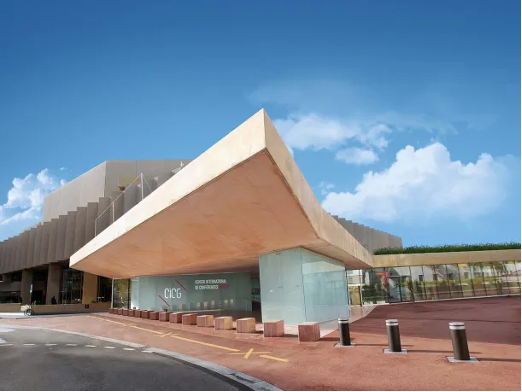
The return of cultural objects to their countries and communities of origin is becoming an increasingly important part of international cultural cooperation. Next week, Switzerland and UNESCO will bring governments, museum professionals, experts and Indigenous representatives together in Geneva to discuss new ways of approaching the restitution of cultural property.
The regional dialogue on “New forms of agreements and cooperation in the field of the return and restitution of cultural property” will take place on 16 and 17 September 2026 at the Geneva International Conference Centre. Organised by the Swiss Confederation in collaboration with UNESCO, the meeting will involve UNESCO Member States from Electoral Groups I and II and will examine recent examples of international cooperation in the field of cultural restitution.
The discussions will look beyond the simple return of objects. In recent years, new forms of agreements have emerged around questions of ownership, possession and the stories connected to cultural objects. UNESCO has also highlighted the development of cultural and museum partnerships that can continue after restitution, creating opportunities for longer-term cooperation between countries and institutions.
The Geneva meeting will bring together government representatives, cultural heritage experts, museum professionals and representatives of Indigenous Peoples. Alongside presenting recent examples of cooperation, participants will discuss the challenges faced by countries and communities seeking the return of their cultural property. The meeting will also provide an opportunity to develop professional networks and explore forms of cooperation that can benefit all sides over the long term.
The dialogue in Geneva reflects a broader shift in the way cultural restitution is approached. Rather than seeing the return of an object as the end of a dispute, international cooperation can also create the basis for new relationships between countries, museums and communities. In this context, cultural heritage becomes not only something to be returned, but also a starting point for dialogue and future cooperation.
