
Lalibela at the Heart of Cultural Diplomacy and World Heritage Conservation
Ambassadors and international representatives visit Ethiopia's Rock-Hewn Churches
August 31st, 2026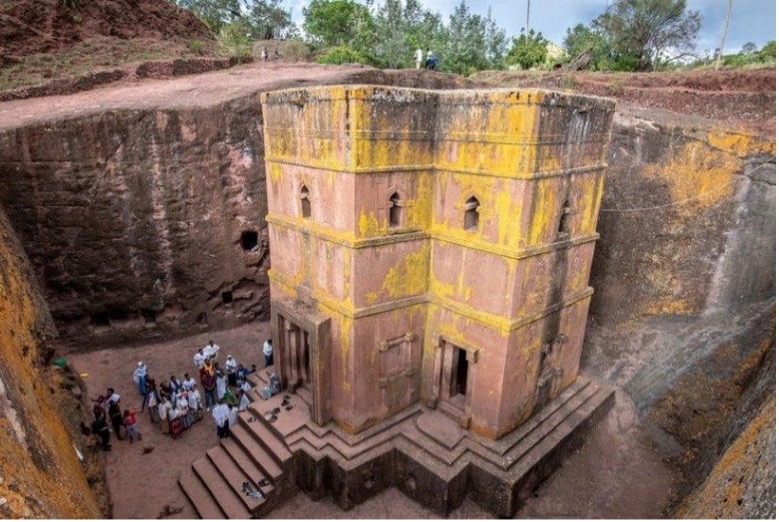
More than 70 representatives from over 40 embassies, United Nations organisations and development partners gathered in Lalibela, Ethiopia, on 3 and 4 July 2026 to visit one of Africa's most important cultural and spiritual landmarks. Organised by UNESCO's Addis Ababa Liaison Office together with Ethiopia's Ministry of Tourism, the Ethiopian Heritage Authority, the Ethiopian Orthodox Tewahedo Church, the Amhara Regional Government and the Sustainable Lalibela Project — backed by the Government of France — the diplomatic visit brought international representatives together around a common objective: protecting the Rock-Hewn Churches of Lalibela and strengthening cooperation for the preservation of World Heritage.
The Rock-Hewn Churches of Lalibela were inscribed on the UNESCO World Heritage List in 1978. The site includes 11 medieval monolithic churches carved directly into volcanic rock during the 13th century and remains an important place of pilgrimage and worship for Ethiopian Orthodox Christian communities. During the two-day visit, participants explored the churches and met with local communities, religious custodians and heritage stakeholders to better understand both the cultural importance of the site and the challenges involved in protecting it.
The visit also highlighted the value of partnership in heritage conservation. For decades, UNESCO has worked with the Ethiopian Government and international partners to support the protection and sustainable management of Lalibela. Conservation efforts have focused not only on preserving the churches themselves but also on supporting local communities, whose livelihoods and cultural traditions are closely connected to the site. The recent diplomatic visit provided an opportunity to draw international attention to Lalibela's recovery following the impact of the COVID-19 pandemic and other challenges that have affected tourism and local livelihoods.
Beyond heritage conservation, the event offers a clear example of cultural diplomacy in practice. Diplomats, UN representatives and development partners came together not for political negotiations, but around a shared cultural heritage. Lalibela therefore became a space for dialogue, allowing representatives from different countries and organisations to connect through a common responsibility towards the protection of culture. In this sense, cultural heritage can act as a bridge between nations.
The visit demonstrates that cultural diplomacy is not limited to exhibitions, festivals or artistic exchanges. The protection of cultural heritage can also bring the international community together and create partnerships that extend beyond national borders. As Lalibela works to rebuild the tourism and livelihoods that recent challenges have disrupted, its churches remain not only a symbol of Ethiopia's cultural and spiritual identity, but also an example of how shared heritage can contribute to international dialogue and cooperation.
References:
- https://www.unesco.org/en/articles/lalibela-heart-cultural-diplomacy-and-world-heritage-conservation
